Selected Works
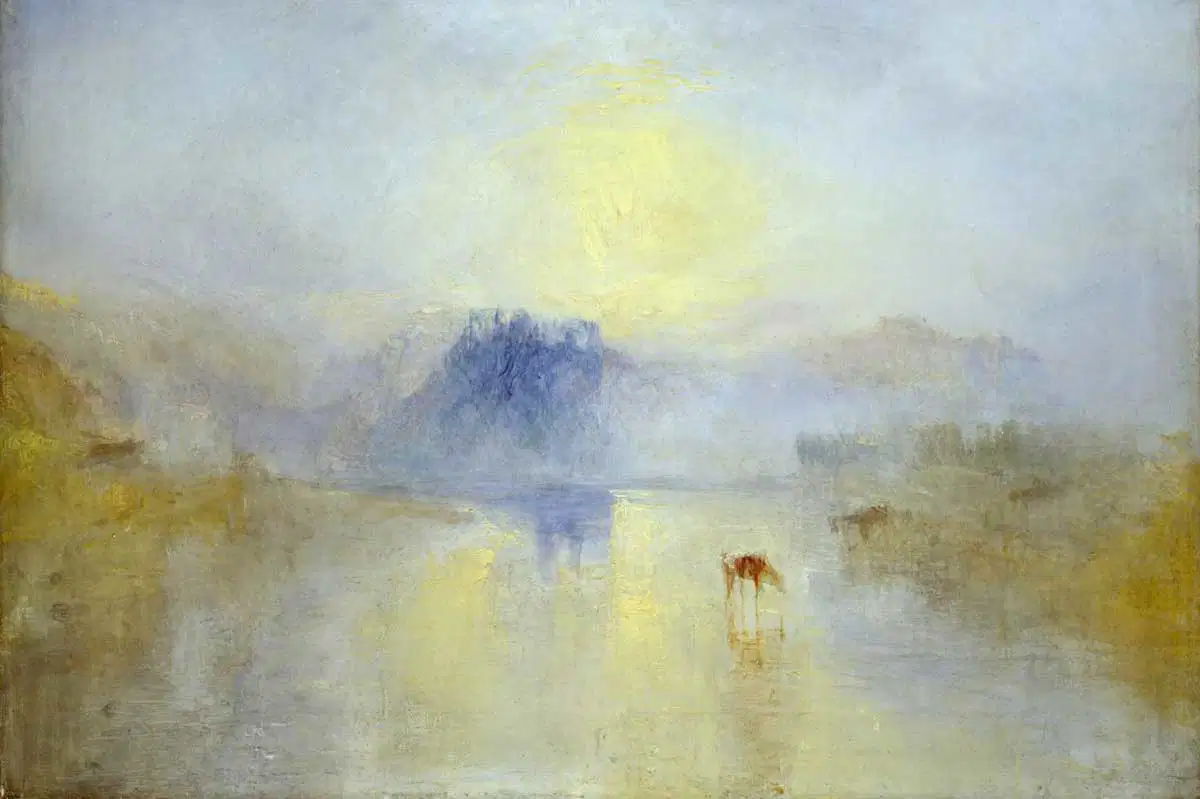
Norham Castle, Sunrise
Oil on canvas
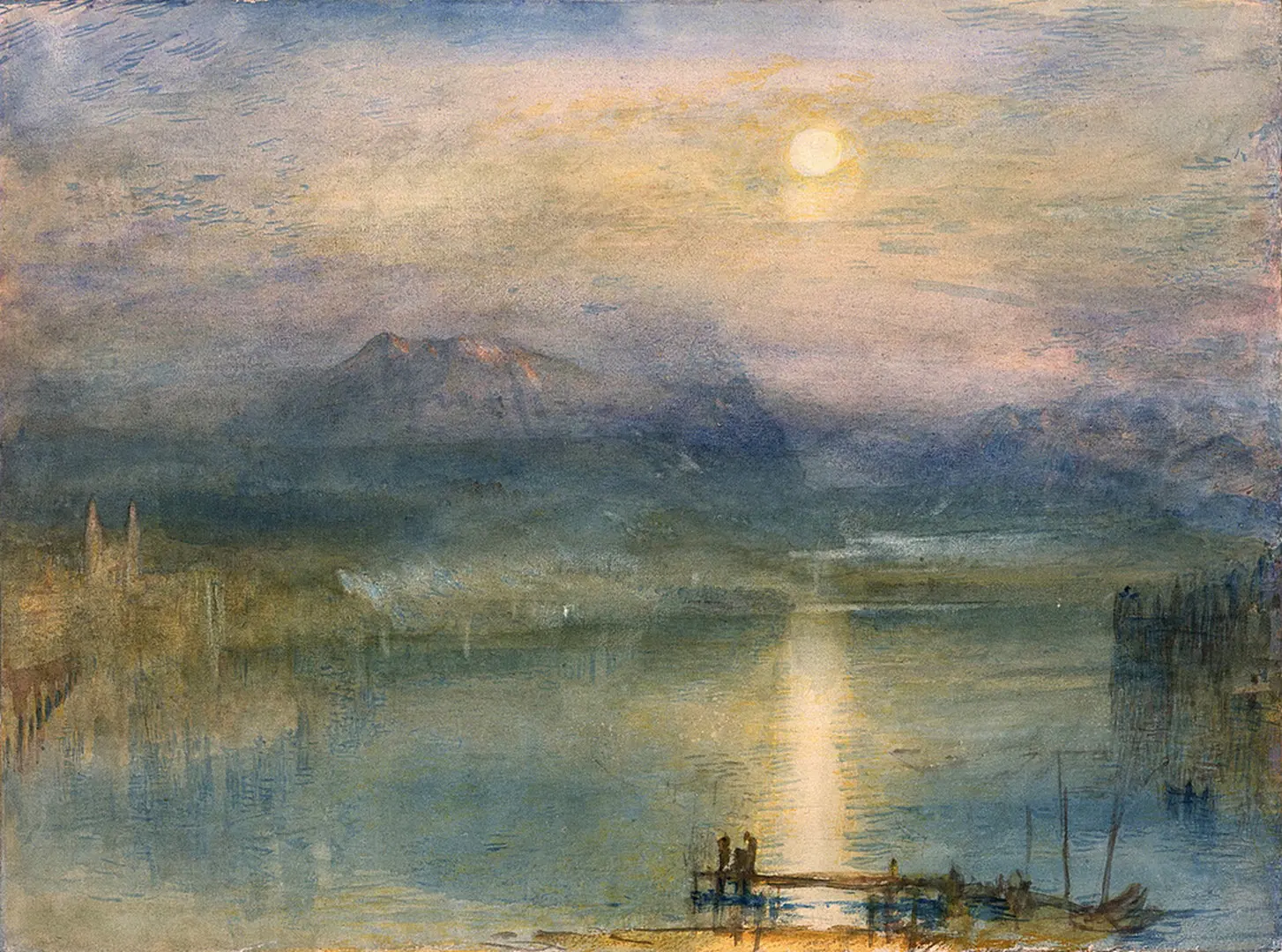
Moonlight on Lake Lucerne
Watercolor
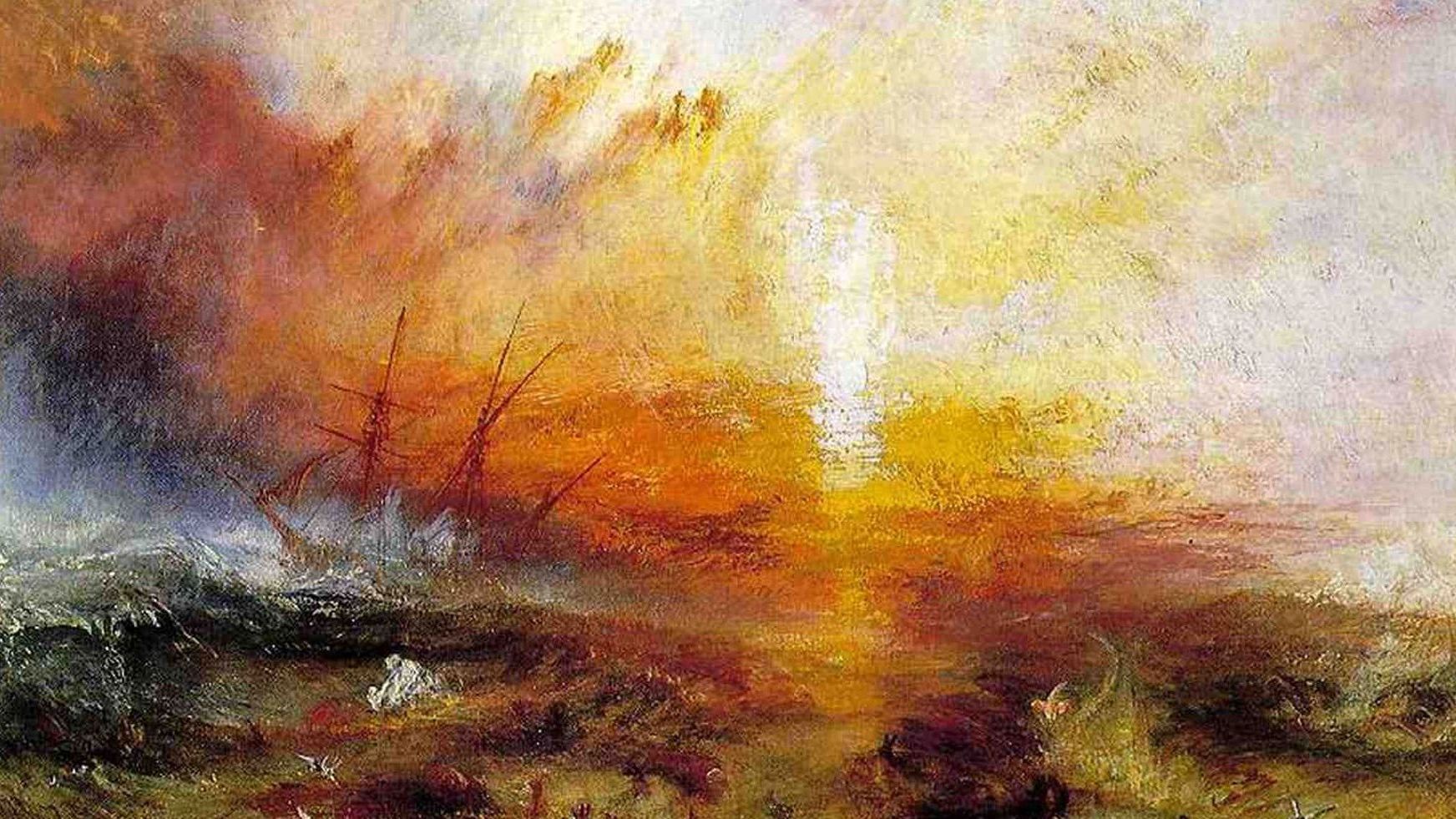
Study of Light
Oil on canvas
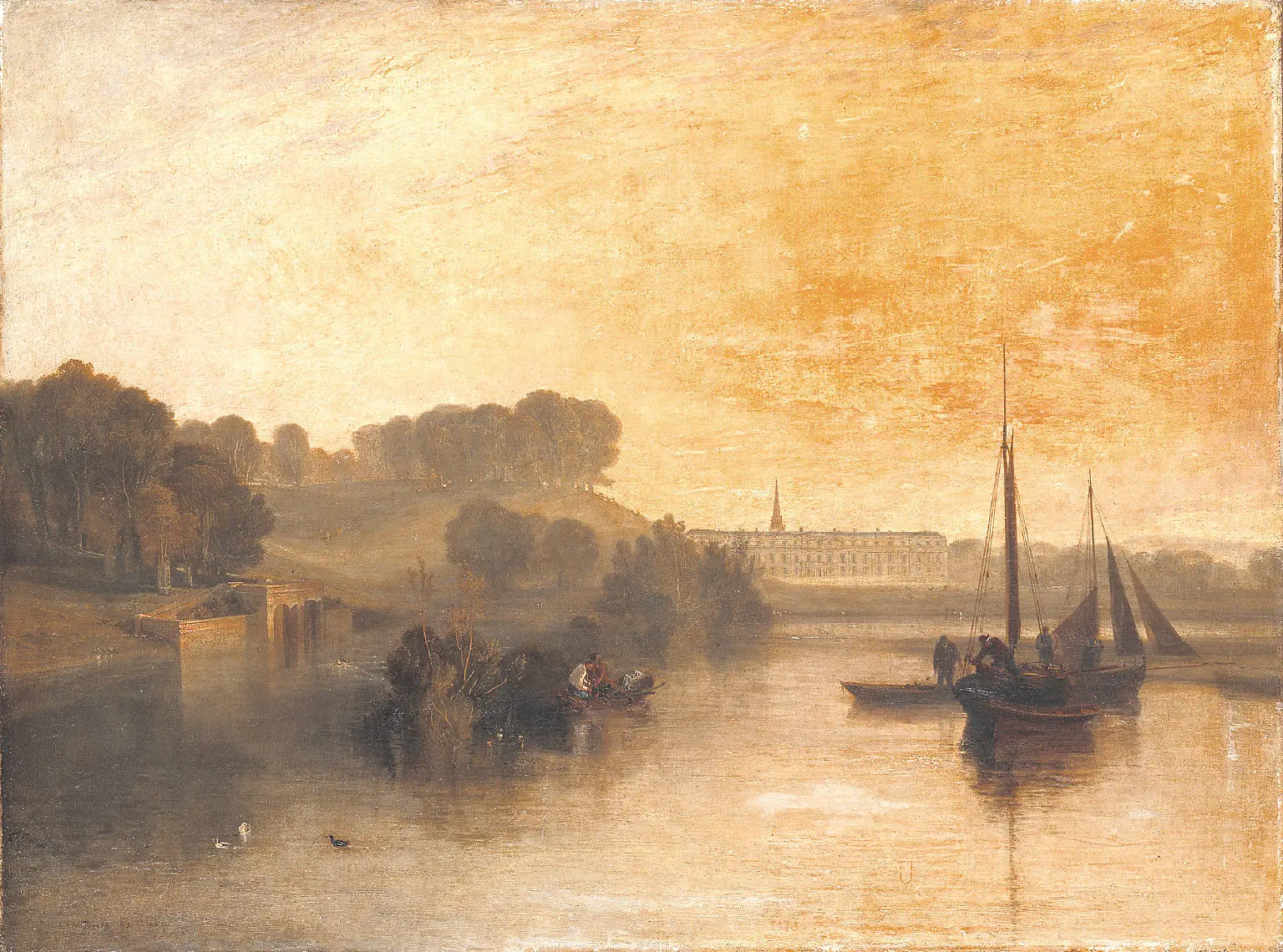
Seascape with Storm
Oil on canvas
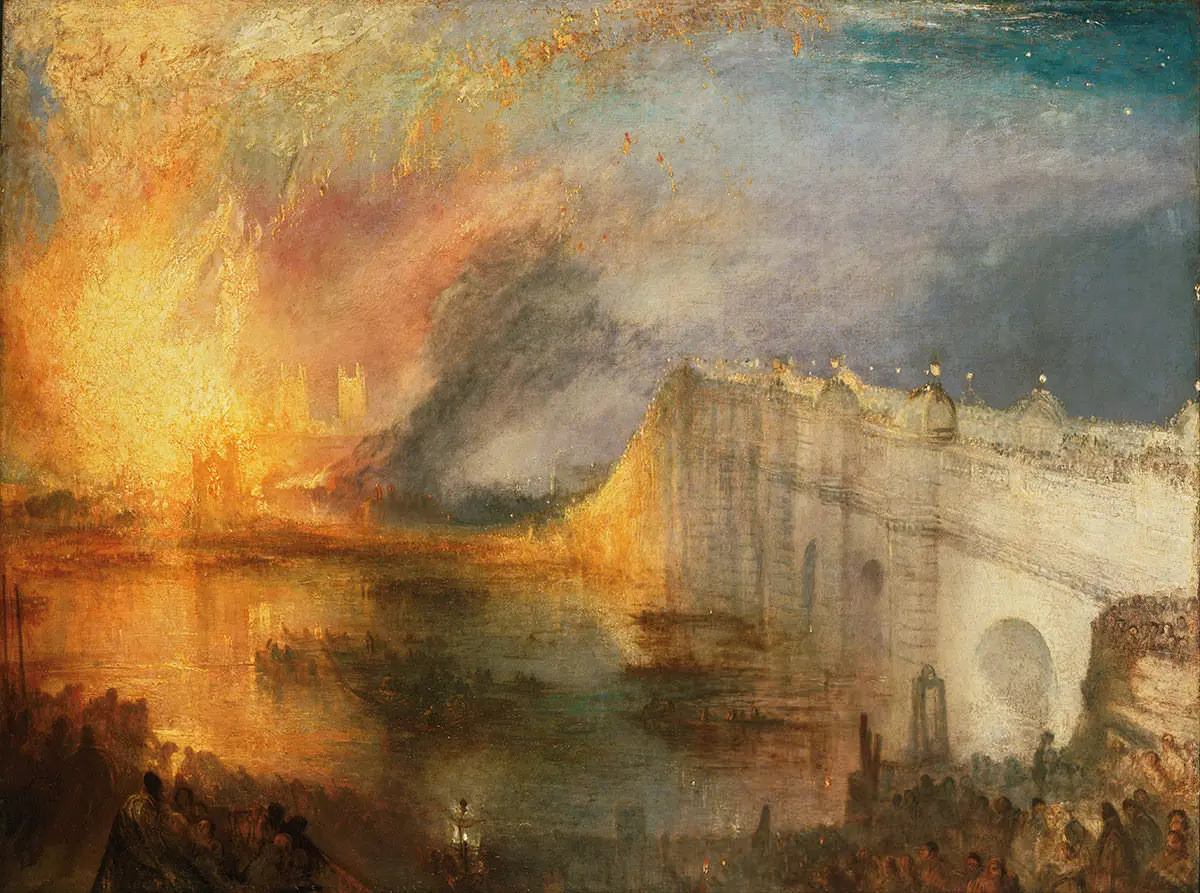
Light dissolving structure.
As J. M. W. Turner aged, his work grew increasingly radical. The solid, topographical details that defined his early career began to melt away, replaced by sweeping, chaotic vortices of color, steam, and light. He stopped painting the objects themselves and began painting the atmosphere surrounding them.
This bold dissolution of form was misunderstood by many of his contemporaries, who saw his later work as unfinished or erratic. Yet, Turner was capturing a more profound truth: the raw, dynamic energy of the elements—the sun, the sea, and the encroaching industrial age—consuming the physical world.
Oil on canvas
Watercolor
Oil on canvas
Oil on canvas
"Turner’s later absolute reliance on atmospheric color to carry the emotional weight of a painting challenges me to push my own depictions of Scottish light to the edge of abstraction."